First-run guide

How do you use Atlas? Start with one clear idea

How do you use Atlas? Begin with a specific scene rather than a broad request. On atlascloud, a useful first test describes the subject, setting, visual style, and intended motion, then leaves room to judge what the result actually shows.

Prepare a prompt for your chosen model

Example to take with you: “A red fox crosses a snowy clearing at dawn; wide shot, soft watercolor style, gentle camera movement.”

This is a guide, not a generation form. Open Synexa, browse its model catalog, choose an available model, then enter the supported inputs on that model's page. No prompt is sent from this site.

Browse Synexa models

Start small, then follow the result

A first attempt is most useful when it answers one question: did the output communicate the scene you intended? Keep the initial prompt short enough that you can spot what needs changing.

Choose an approach that fits your material

The way you use Atlas depends on what you have to start with. Pick a single goal, make a test you can evaluate, and avoid combining several creative decisions in the first attempt.

Writer developing a scene

You have a paragraph of narrative but no visual reference. Reduce it to one subject, one setting, a time of day, and a camera perspective; leave dialogue and plot progression out of the first test.

You get a visual direction to evaluate without expecting the tool to interpret an entire story at once.

atlas ai video generator

Designer exploring a look

You already know the subject but want to compare treatments. Hold the subject and framing steady while changing only the style description in the next prompt.

Differences between attempts become easier to attribute to the style change rather than a rewritten scene.

what is atlas cloud

Creator starting from an image

You have a still image and want to explore motion. First describe a modest movement, such as drifting mist or a slow camera move, instead of requesting multiple actions at once.

A restrained test makes it easier to see whether the source image remains recognizable.

atlas cloud vs higgsfield

Team reviewing a concept

You need colleagues to react to a proposed direction. Write down the intended subject and mood before testing, then compare the result against those notes rather than against a vague expectation.

Feedback can identify a specific change for the next attempt: composition, mood, movement, or clarity.

is atlas cloud ai safe

Work through your first attempt step by step

These steps are a practical way to use Atlas for a visual idea, not a promise that every interface or output option will look the same.

  1. 1

    Define one outcome

    Decide what you want to inspect: a subject's appearance, a scene's mood, or a simple movement. If you cannot describe success in one sentence, narrow the task before you begin. Keep any image or text you plan to submit free of private material you do not have permission to share.

  2. 2

    Write a concrete prompt

    Name the main subject and setting first, then add a few useful constraints such as framing, light, style, or movement. For example, request a fox crossing a snowy clearing in a wide shot rather than asking for a beautiful winter video. Specific details give you something observable to check.

  3. 3

    Submit a small test

    Open Synexa, choose a model and enter the prompt on its model page if it accepts text. Check the controls the interface actually presents before submitting. Do not assume a particular model, duration, resolution, or upload option will be available. If you start from an image, verify that you are using the intended file.

  4. 4

    Inspect and revise

    Compare the result with your original goal. Note what worked and identify the single most important miss, then change one part of the prompt for the next attempt. Save the wording of successful tests so you can distinguish a deliberate revision from starting over.

Look for a clear change between input and preview

If your starting point is an image, judge whether the preview preserves its key subject while introducing the motion you asked for. Do not treat a visually appealing result as proof that every detail stayed consistent.

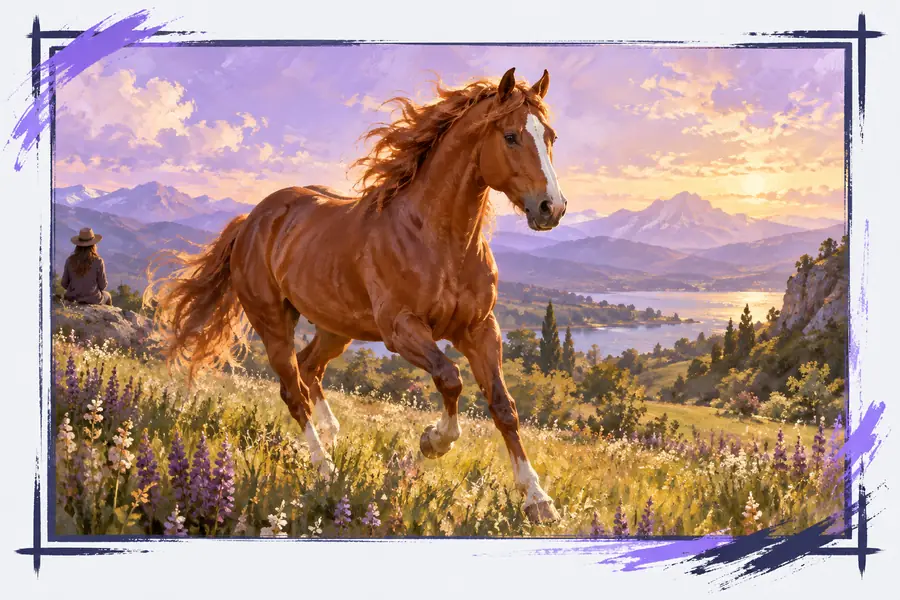
Painterly horse scene presented as an example of a starting still
Starting image example
Painterly preview illustrating an image-to-video result
Motion preview example

These are separate illustrative site images, not a verified before-and-after generation from one source. For your own test, compare the actual submitted image with its resulting preview.

Starting image exampleMotion preview example

Know the limits before you depend on a result

A short visual test can establish a direction, but it cannot by itself confirm accuracy, rights, or suitability for a finished project. Treat the output as material to review.

1

A prompt cannot guarantee exact details

Describing a pose, object, or action does not ensure that every requested feature appears or remains consistent throughout a result.

What to do instead

Prioritize the most important detail, test it separately, and inspect the full result rather than relying on a preview frame.

2

A visual result is not a factual source

An image or video can look plausible while depicting an invented place, inaccurate object, or misleading event.

What to do instead

Verify factual claims against independent sources and avoid presenting generated visuals as documentary evidence.

3

This guide cannot confirm current controls

Available inputs, settings, formats, and limits may differ from the examples here or change over time.

What to do instead

Check the controls shown in the live interface before planning a workflow around a particular setting.

4

Generation does not establish permission

Submitting someone else's image or reusing an output does not automatically settle privacy, copyright, or consent questions.

What to do instead

Use material you are authorized to submit and review the applicable terms before publishing a result.

Try a focused visual prompt

Use Atlas with one scene, one intended effect, and a clear standard for judging the output. Start with the fox-and-snow example or write your own concise prompt, then inspect what changed before adding complexity. A careful first attempt tells you more than a long prompt that asks for everything at once.

Make your first test easy to evaluate

  • Name the subject and setting
  • Specify only the motion you need
  • Revise one detail after review
Browse models on Synexa

Frequently asked questions about using Atlas

Start by choosing one visual goal. At the destination, browse Synexa’s model catalog, select an available model and enter a concrete prompt on its model page if it accepts text. Sign in and set up an API key if required to run; then inspect the result and revise one detail at a time.

Include a subject, setting, and the most important visual action or mood. Add framing or style only when it helps you judge the result. A short, specific scene is easier to revise than a paragraph with several competing requests.

Compare it with the outcome you wrote down before submitting the prompt. Check the subject, composition, and any requested motion across the result, not just in a single frame. If one detail fails, change that part of the prompt and test again.

Use an image only if the creation flow you are using offers an image input, and confirm that you selected the intended file. Ask for a modest change first so you can check whether the subject remains recognizable. Make sure you have permission to submit the source image.

Browse Synexa models